
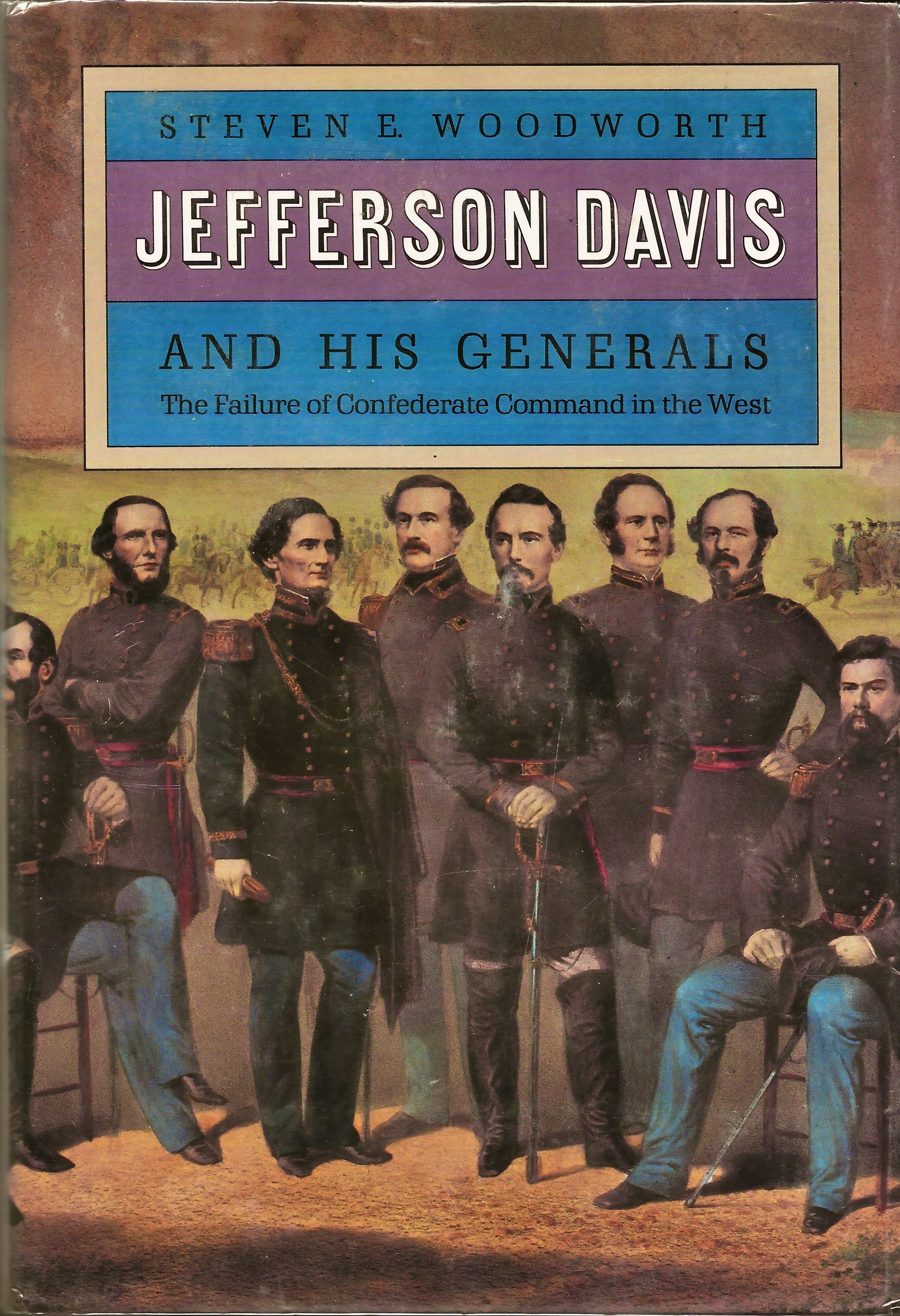
Jefferson Davis and his Generals: The Failure of Confederate Command in the West. By Steven E. Woodworth. Lawrence: The University Press of Kansas, 1990. ISBN: 0-7006-0461-8. Illustrations. Bibliographic Essay. Index. Pp. 380. $36.95 (cloth)
At the outset of the American Civil War, Confederate President Jefferson Davis outmatched President Abraham Lincoln in most respects, including political career longevity, influence in government, and–most importantly–military strategy and understanding. Yet the less-experienced Lincoln masterly held together the Union and formulated a cohesive political and military plan to defeat the Confederacy. But what of Davis and his many years of experience? What factors facilitated a young Illinois lawyer’s ability to out commander-in-chief a West Point graduate and former United States Secretary of War? In Jefferson Davis and his Generals: The Failure of Confederate Command in the West, historian Steven E. Woodworth, professor of history at Texas Christian University, explains the personal, political, and military factors behind Davis’s role as a Confederate president and commander-in-chief, and how these factors led to the Confederate defeat in the Western Theater, and ultimately the American Civil War.
Woodworth diverges from the traditional interpretation of Davis as either “a hero or villain” and bases his reasonings and interpretations on the facts relating to Davis’s obvious capabilities and shortcomings that made him a successful politician yet ineffective commander-in-chief. Woodworth’s thesis is summed up in the Preface, where he declares, “Rather, since in the end he [Davis] did fail, we need to answer the questions of how a man of his obvious qualifications could fall short of the goal he seemed so prepared to attain.”[1]
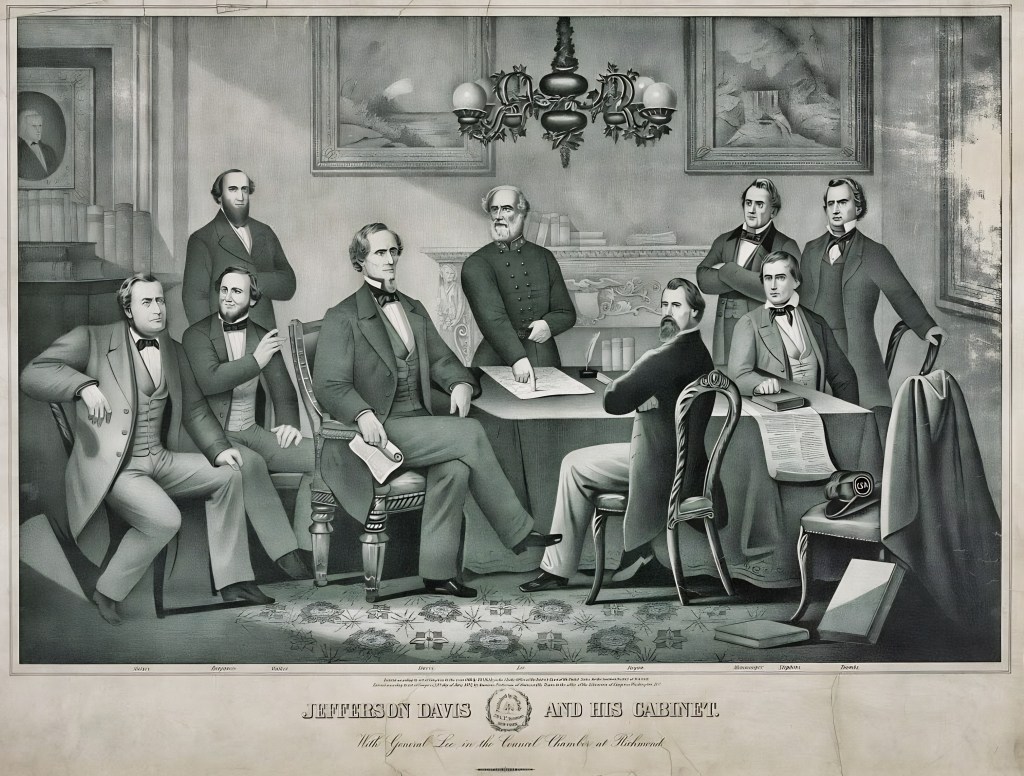
Woodworth focuses his work on the Western Theater, which he asserts was the dominant and critical theater where the Confederacy truly lost the war. The book follows a chronological order, starting with Davis’s election as Confederate President and the initial political difficulties the new nation faces, particularly the problems of a Union-loyal East Tennessee and Kentucky’s decision to remain neutral initially. He explains the critical factors influencing Davis’s strategy in the West, such as in chapter four, where he discusses the arrival of Albert Sidney Johnson and its implications on the Tennessee-Mississippi operations of 1861 and 1862. He then discusses the Shiloh and beyond, including the political breakdown of the unification of command surrounding Braxton Bragg and his subordinates and how this breakdown utterly negated any form of cooperation and coordinated strategy in the West.
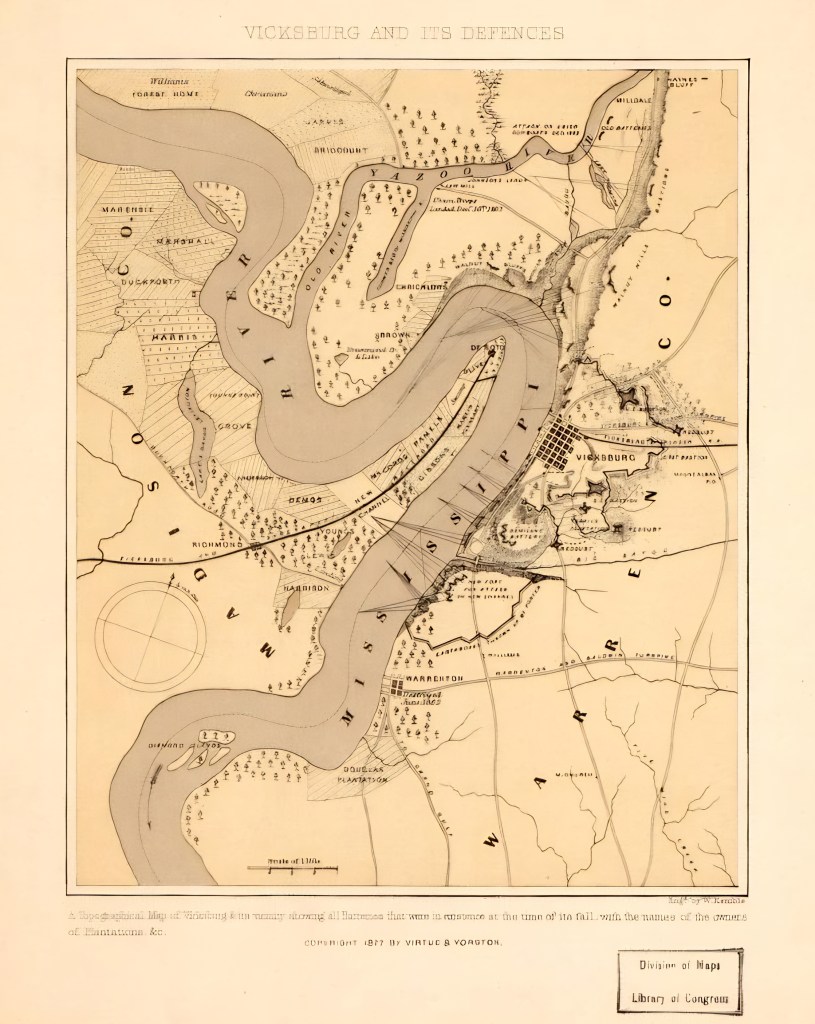
Woodworth continues with an analysis of the fall of Vicksburg and how Davis’s failing health influenced the breakdown in effectiveness by this point in the war. He wrote, “The president had been sick off and on for weeks… brought on largely by overwork and anxiety… Under these circumstances Davis simply could not think clearly about the tactical situation in Mississippi” 206). Woodworth concludes his work with a comparative analysis of the commander-in-chief capabilities and effectiveness between Davis and Lincoln.
The strengths of this work derive from Woodworth’s extensive research and use of the primary sources relating to Davis’s Presidency and the failed Confederate Strategy in the Western Theater. Through researching Davis’s memoirs and related correspondence, Woodworth weaves together the multiple factors leading to Davis’s failures as Confederate President. Woodworth asserts that Davis’s failures resulted from a combination of his failing health, Davis’s insistence that his decision was always correct, and his overreliance on incompetence relating to friendships. Woodworth states, “His preparation was excellent, his determination and diligence exemplary. Yet if he lacked the final measure of greatness…it was probably that he could not see the faults of his friends and that he lacked adequate ability to handle pressure and… take decisive action.”[2]
While some critics may find fault with Woodworth’s deliberate exclusion of research related to most other Davis biographies, which the author describes “are of very disappointing quality,” this fact makes this work distinctive within the historiography of Jefferson Davis as Confederate commander-in-chief and his failures in the Western Theater of the Civil War. This work is a must-read for Civil War buffs and academic historians alike seeking a deeper understanding of Jefferson Davis.
[1] Steven E. Woodworth, Jefferson Davis and his Generals: The Failure of Confederate Command in the West (The University Press of Kansas, 1990), xii.
[2] Woodworth, Jefferson Davis and his Generals, 305.
©Gettysburg Wargame Society 2021-2023, All Rights Reserved.
 Gettysburg Wargame Society